The Impact of Oil Palm Plantations on Borneo’s Forests

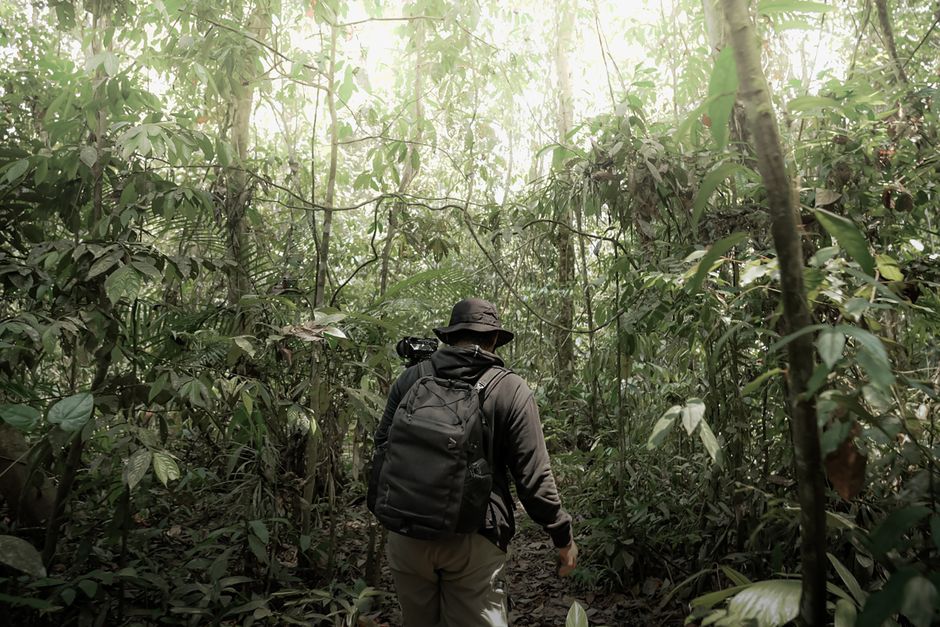
Borneo’s rainforests are among the most biologically diverse ecosystems on Earth, hosting thousands of plant and animal species and storing vast amounts of carbon in their biomass and peat soils. Over recent decades, these forests have faced unprecedented pressure from the expansion of oil palm cultivation, a crop used primarily for vegetable oil and biofuel production. The conversion of forested land into monoculture plantations raises complex questions about land use, economic development, and environmental preservation.
Large-scale oil palm plantations now cover millions of hectares across Borneo, much of which was once primary rainforest or degraded forest regrowth. This transformation alters the landscape fundamentally, replacing multi-layered canopies with uniform rows of palms. The process typically involves clearing vegetation, draining peatlands in coastal areas, and establishing irrigation systems. The resulting land cover changes affect not only the local climate and hydrology but also the survival prospects of species that depend on intact forest habitats.
This article examines how the expansion of oil palm plantations contributes to the loss of primary rainforest, endangers species such as the Bornean orangutan, and releases stored carbon into the atmosphere. It also considers approaches that aim to balance agricultural production with conservation goals.
The Scale of Oil Palm Expansion
Oil palm cultivation in Borneo has grown significantly since the 1990s, driven by global demand for palm oil as a versatile ingredient in food, cosmetics, and industrial products. Both Malaysia and Indonesia, which share the island, have designated large areas for plantation development, often granting concessions on forested land. Satellite imagery and land-use records indicate that a substantial proportion of new plantations from 2000 to 2020 were established on land that was previously forested, including areas of high conservation value.
The expansion follows a pattern: primary forest is logged, sometimes legally and sometimes not, followed by burning or mechanical clearing to prepare the land for planting. In peatland areas, drainage canals are dug to lower the water table, which allows the palms to grow but also exposes organic soils to oxygen, triggering decomposition and increasing the risk of fire. The process of establishing a plantation typically takes several years, during which the land may be left fallow or planted with cover crops before the palms mature.
This land-use change has been linked to a decline in forest cover across the island. Estimates from various studies suggest that between 2000 and 2020, Borneo lost approximately 30% of its forested area, with oil palm expansion being one of the primary drivers alongside logging and mining. The remaining forest fragments are often isolated, surrounded by a matrix of agricultural land, which creates barriers for wildlife movement and disrupts ecological processes.
Deforestation and Primary Rainforest Loss
Primary rainforests in Borneo are characterized by their complex structure, high biodiversity, and ancient soils. They provide ecosystem services such as water regulation, nutrient cycling, and climate moderation. When such forests are converted to oil palm plantations, the original vegetation is removed entirely, and the soil is disturbed. The new plantation ecosystem is far simpler, consisting of a single crop species with a uniform age structure and limited understory growth.
The loss of primary forest is particularly concerning because these ecosystems cannot be easily restored. Secondary forests that regrow after clearing may recover some functions over decades, but they typically lack the species richness and structural complexity of old-growth forests. In many cases, the conversion is permanent for the duration of the plantation cycle, which can last 25 to 30 years before replanting is necessary. Beyond that, the soil may be degraded or contaminated by agrochemicals, making natural regeneration difficult.
Fragmentation of remaining forest patches compounds the impacts. Edges of forest fragments experience altered microclimates, increased light penetration, and higher wind speeds, which can lead to desiccation and tree mortality. These edge effects can penetrate hundreds of meters into the forest interior, reducing the effective habitat for sensitive species. Additionally, fragmented landscapes often experience higher rates of poaching and illegal logging because of increased accessibility.
Impact on Orangutan Populations
The Bornean orangutan is a critically endangered great ape that relies on continuous tracts of lowland rainforest for food, shelter, and social interactions. Orangutans spend most of their lives in trees, feeding on fruit, leaves, and bark, and they require large home ranges to meet their nutritional needs. When forests are cleared for oil palm plantations, orangutans lose their habitat and are forced to either relocate to adjacent forest patches or attempt to survive within the plantation itself.
Orangutans that remain in plantations face numerous challenges. The palm canopy does not provide the same variety of food sources, so individuals may become malnourished or enter agricultural areas in search of fruit, leading to conflicts with plantation workers. In some cases, orangutans are captured or killed as pests. Even when they manage to move to neighboring forest fragments, those fragments may be too small to support a viable population over the long term, leading to inbreeding and reduced genetic diversity.
Population surveys indicate that orangutan numbers have declined significantly in areas with high plantation density. The IUCN notes that the Bornean orangutan population decreased by more than 60% between 1950 and 2010, with habitat loss due to oil palm expansion being a major contributing factor. Without habitat connectivity and protected areas, the remaining populations often become isolated, which can hinder natural dispersal and recovery after disturbances.
Carbon Emissions and Climate Implications
Borneo’s forests, especially peat swamp forests, store enormous quantities of carbon in their living biomass and in the underlying peat soils. When these forests are cleared and drained, a substantial portion of that stored carbon is released into the atmosphere as carbon dioxide. The drainage of peatlands accelerates decomposition, and if fire occurs, emissions can be even greater due to the combustion of peat itself.
Studies have shown that oil palm plantations established on peatlands can result in a carbon debt that takes decades or centuries to repay, depending on the initial carbon stock and the subsequent management practices. The emissions from land-use change in Borneo contribute to global greenhouse gas concentrations, and they are a significant part of Indonesia and Malaysia’s national emissions inventories. Even when plantations are established on mineral soils, the removal of above-ground biomass releases carbon that would otherwise remain stored for many years.
Fire is an additional risk, particularly during dry periods associated with El Niño events. Peat fires in degraded landscapes can burn for weeks or months, releasing smoke that causes regional health problems and emits large volumes of carbon. While not all plantations are associated with fire, the presence of drainage canals and the drying of peat increase the likelihood of accidental or intentional burning. The resulting emissions can far exceed those from the original deforestation event alone.
Approaches to Sustainable Management
In response to concerns about deforestation and biodiversity loss, various initiatives have emerged to promote more sustainable palm oil production. The Roundtable on Sustainable Palm Oil (RSPO) established certification standards that include criteria for protecting high conservation value areas, respecting land rights, and reducing environmental impacts. However, the effectiveness of certification has been debated, with some studies finding limited on-the-ground improvements in forest protection.
Other approaches involve land-use planning that identifies areas suitable for agriculture while setting aside forests for conservation. Spatial analyses can help map regions with high carbon stocks and biodiversity, guiding plantation development toward already degraded lands instead of primary forests. Some governments and companies have adopted zero-deforestation commitments, pledging not to clear primary or high-conservation-value forests for new plantations. The implementation of such commitments requires effective monitoring and enforcement, which can be challenging in remote areas.
Agroforestry and mixed-use systems represent another possible direction, where oil palm is integrated with other crops or native vegetation. These systems can support higher biodiversity and provide additional income sources for smallholders, though they typically produce lower palm oil yields per hectare than monocultures. Balancing productivity with environmental outcomes remains an ongoing challenge in the region.
Conservation and Restoration Efforts
Conservation organizations and research groups, including Jungle Ecology, have been active in documenting the ecological changes associated with oil palm expansion and in designing interventions to mitigate negative impacts. Restoration projects focus on reforestation of riparian buffers, establishment of wildlife corridors between forest fragments, and rehabilitation of degraded peatlands through rewetting. These efforts aim to enhance connectivity for species like orangutans and to reduce fire risk by raising water tables in peat areas.
Protected area networks in Borneo have been expanded in some states, but they cover only a fraction of the island’s remaining forests, and many parks are under pressure from encroachment and illegal activities. Community-based conservation programs that engage local populations in monitoring and sustainable livelihood development can help reduce pressure on forests while providing economic benefits. Additionally, corporate sustainability pledges have led some companies to finance conservation projects or to adopt supply chain traceability systems.
Long-term success depends on multiple factors, including political will, law enforcement, market demand for certified products, and the availability of alternative livelihoods for people living near forests. While the trajectory of deforestation has slowed in certain areas, the underlying drivers of land conversion remain strong. Continued research and adaptive management are necessary to understand how best to balance the needs of agricultural production, wildlife conservation, and climate stability in Borneo’s rapidly changing landscape.