The Medicinal Power of Rainforest Orchids
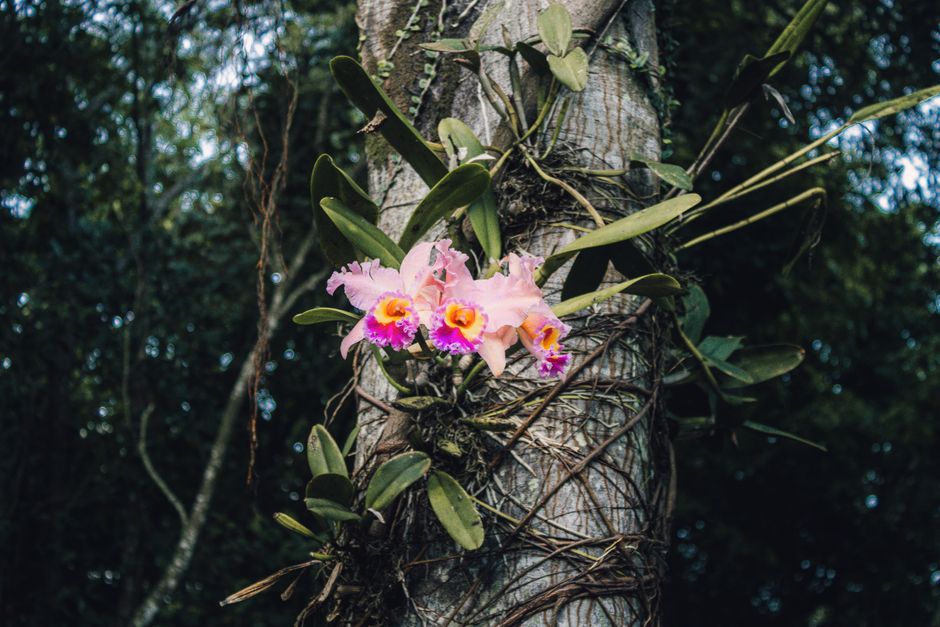
The Amazon rainforest is home to an extraordinary diversity of orchid species, many of which have been used for centuries by indigenous communities for medicinal purposes. These plants, often admired for their beauty, contain complex chemical compounds that local healers have learned to apply in treating various ailments. Modern science is now beginning to investigate these traditional uses, seeking to understand the underlying biochemistry and potential applications in pharmaceutical development.
Orchids represent one of the largest families of flowering plants, with thousands of species found across tropical regions. Within the Amazon basin, the variety is particularly rich. Local knowledge about the medicinal properties of these orchids has been passed down through generations, forming an integral part of ethnobotanical practices. Researchers interested in drug discovery often look to such traditional knowledge as a starting point for identifying novel bioactive molecules.
Traditional Knowledge and Orchid-Based Remedies
Indigenous communities across the Amazon have developed sophisticated systems of plant-based medicine that include numerous orchid species. For example, some groups prepare infusions from the leaves of certain epiphytic orchids to address skin conditions or digestive discomfort. Others use pounded orchid bulbs as poultices for localized inflammation. These practices are not merely historical; they continue to be part of daily life in many remote villages, where access to conventional pharmaceuticals is limited. The knowledge is typically held by elders or specialized healers who understand the timing of harvest, plant parts to use, and preparation methods. Documenting this knowledge requires careful collaboration with communities, respecting their cultural protocols and intellectual property rights.
Several orchid genera have been noted in ethnobotanical surveys for their medicinal roles. Species of the genus Catasetum, for instance, are sometimes used in treatments for infections, while certain Maxillaria orchids are associated with pain relief. The specific active agents in these plants are often unknown at the community level, but the empirical evidence of efficacy has been accumulated over many generations. This accumulated experience provides a valuable filter for researchers who might otherwise test thousands of random plant samples.
Bioactive Compounds Found in Amazonian Orchids
Laboratory analyses of rainforest orchids have revealed a rich array of secondary metabolites. These include alkaloids, flavonoids, phenanthrenes, stilbenoids, and terpenoids, many of which exhibit antibacterial, antifungal, anti-inflammatory, or antioxidant properties in controlled experiments. For example, the compound gigantol, found in several orchid species, has shown activity against certain cancer cell lines in preliminary studies. Another group of compounds, the bibenzyls, has demonstrated potential in modulating immune responses. It is important to note that these findings come from in vitro or animal studies, and translation to human medicine requires extensive further research.
The chemical diversity of orchids is thought to be partly a response to their ecological niches. Many orchids grow as epiphytes, exposed to high light, humidity, and constant threats from herbivores and pathogens. The compounds they produce serve as natural defenses. In a pharmaceutical context, these same molecules may interact with human biological pathways. The challenge lies in isolating the most promising candidates, understanding their mechanisms of action, and assessing safety profiles. Researchers often combine traditional knowledge with advanced techniques such as metabolomics and high-throughput screening to prioritize which orchids to study.
Scientific Research and Collaborative Approaches
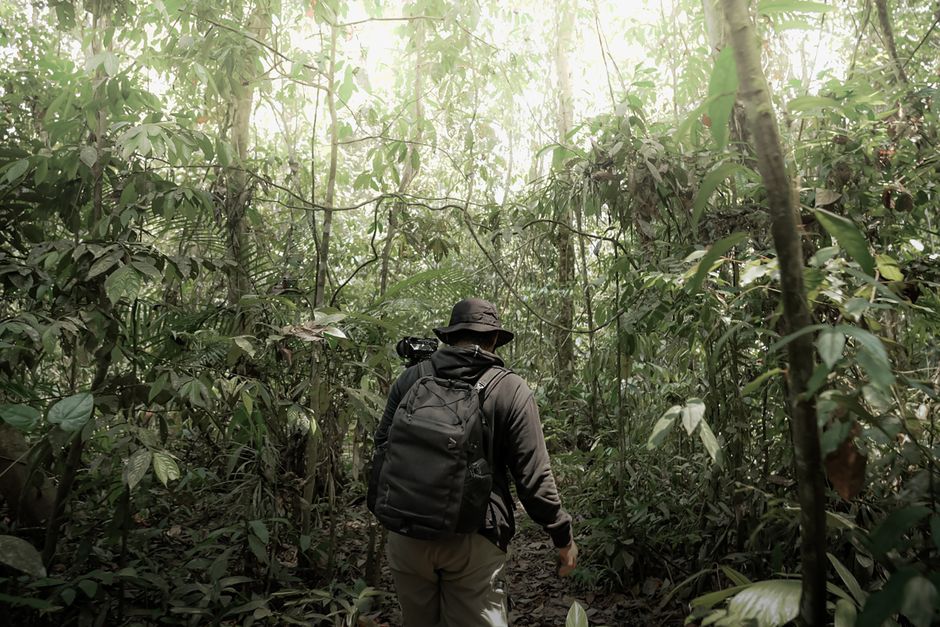
Organizations such as Jungle Ecology facilitate interdisciplinary projects that bring together ethnobotanists, chemists, pharmacologists, and indigenous representatives. These collaborations typically begin with field expeditions to collect plant specimens under permits that respect national and international biodiversity laws. Samples are then dried, extracted, and subjected to a series of bioassays. The goal is not to replace traditional medicine but to understand the scientific basis behind observed effects. Such work requires long-term partnerships built on trust and mutual benefit. Benefit-sharing agreements may include training, infrastructure support, or royalties if a compound eventually becomes a commercial drug.
One notable aspect of this research is the emphasis on sustainable practices. Rather than harvesting large quantities of wild orchids, which can threaten rare species, scientists work with local communities to cultivate plants in controlled environments or to use only small amounts for analysis. In some cases, synthetic analogs of the active compounds are produced in the laboratory, reducing pressure on natural populations. The process is methodical and often slow, as each step from collection to clinical trials can take years. Nevertheless, the potential of orchid-derived compounds continues to attract interest from academic and industrial groups.
“The knowledge held by traditional healers is a valuable resource for modern pharmacology,” observes a researcher at Jungle Ecology. “It provides directions that can shorten the lengthy process of drug discovery.”
Conservation and Sustainability Challenges
The same qualities that make Amazon orchids medicinally promising also make them vulnerable. Many species have limited ranges and specific habitat requirements, and deforestation for agriculture, logging, and mining reduces their available habitat. Climate change further alters the microclimates on which epiphytic orchids depend. Unsustainable collection for the horticultural trade has also impacted some populations. In response, conservation programs focus on protecting large tracts of intact forest, establishing ex situ collections in botanical gardens, and working with local communities to develop sustainable harvesting guidelines. These efforts are essential because the loss of a single orchid species may mean the loss of a chemical compound that could have significant therapeutic value.
Regulatory frameworks such as the Nagoya Protocol on access and benefit-sharing aim to ensure that the use of genetic resources from rainforests is fair and equitable. Researchers and companies must navigate these regulations, which can be complex but are designed to prevent biopiracy and to reward local custodians of traditional knowledge. When done correctly, such frameworks support both conservation and the ethical advancement of science.
Exploring Future Pharmaceutical Potential
Looking ahead, the role of Amazonian orchids in pharmaceutical development will likely depend on continued investment in ethnobotanical research, chemical analysis, and clinical testing. The path from a plant used in a traditional remedy to a registered drug is long and uncertain, with many candidates failing during trials. However, the structural novelty of orchid compounds offers opportunities for discovering new classes of therapeutic agents. Further studies are needed to evaluate their efficacy, toxicity, and pharmacokinetics in humans. Collaborative models that respect indigenous rights and promote sustainable use may provide a framework for advancing this research responsibly.
In summary, the medicinal power of rainforest orchids lies not only in the compounds they contain but also in the centuries of knowledge that have guided their use. By combining traditional wisdom with modern scientific methods, researchers can explore new frontiers in medicine while supporting the preservation of both cultural heritage and biodiversity.